

Villa Nostalgia pool & wellness
- park view
- 55 m2
- bedrooms: 2
- bathrooms: 1
- Kitchen
- Terrace
- Internet
- Air conditioning
Explore Slovenian Istria from the Heart of Popetre
Tradition, Olive Groves and Premium Istrian Wines
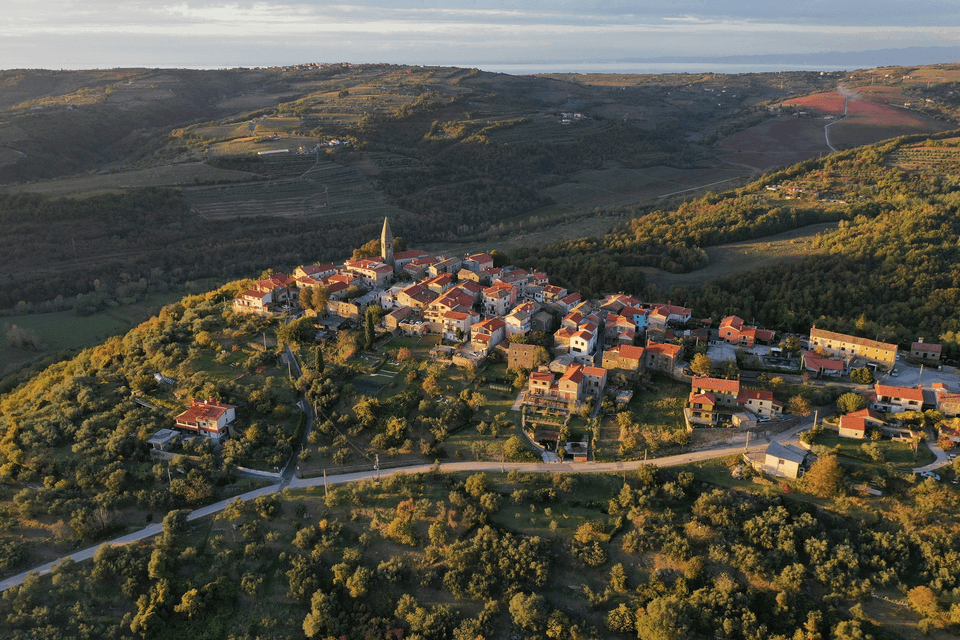
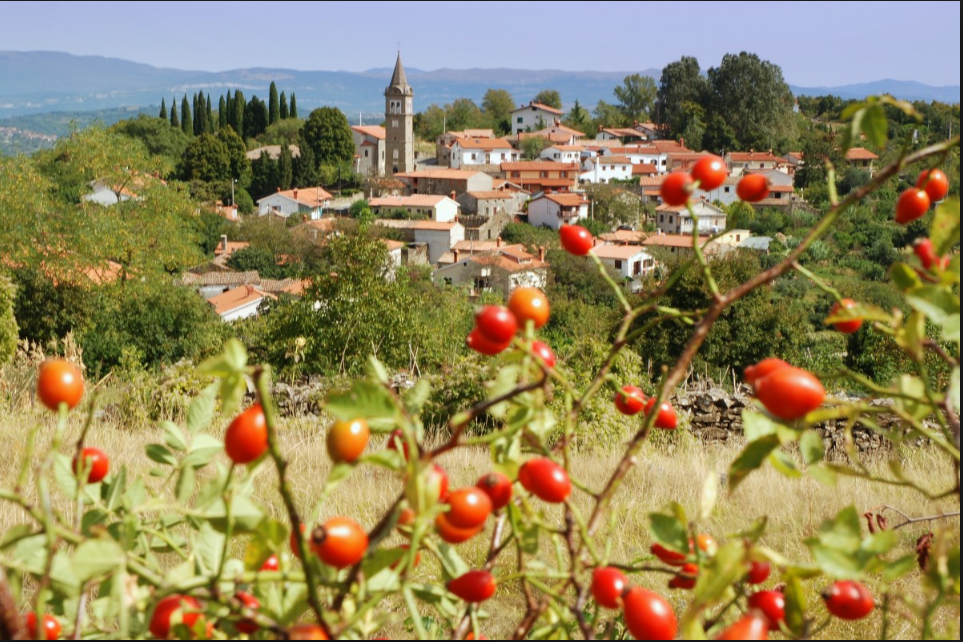
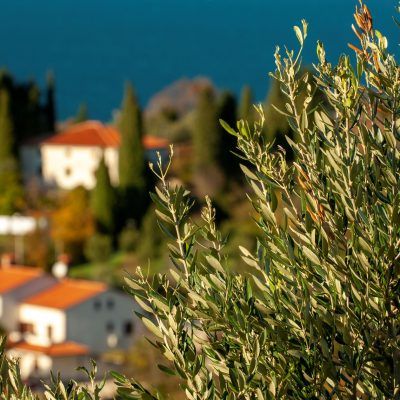
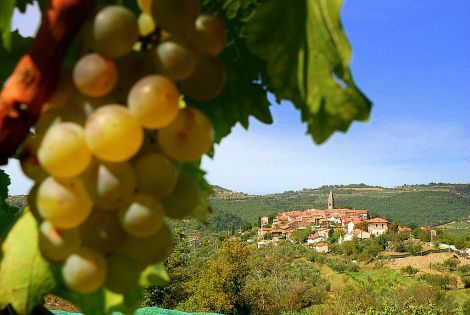
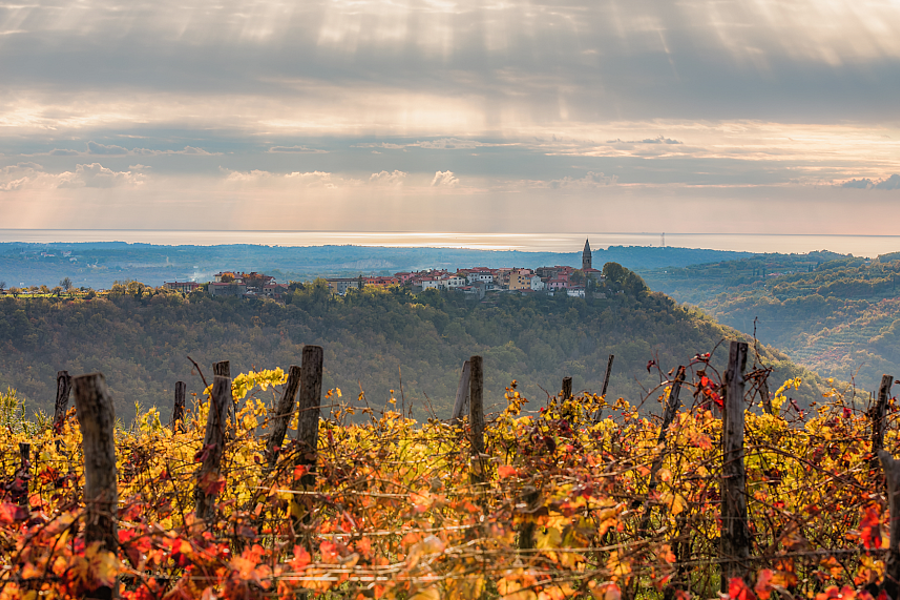
The landscape transforms into rolling hills terraced with ancient olive groves, sprawling vineyards, and stone villages perched dramatically on ridges.
If you are planning to head up into the hills, a few specific spots and cultural highlights truly define the experience:
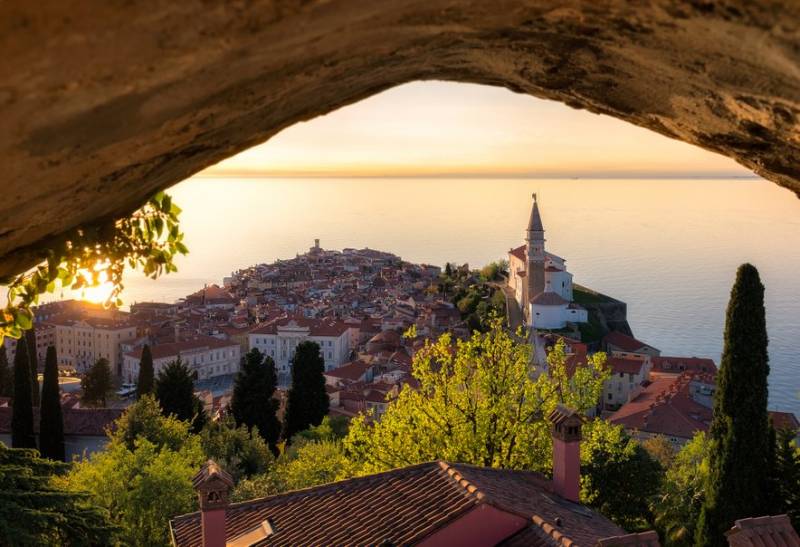
Padna: Famously known for its architectural preservation and its historic connection to olive oil and chard (blevš). The village offers stunning panoramic views stretching all the way to the sea.
Krkavče: One of the oldest villages in the region, uniquely built entirely on a solid rock base. It is famous for the Krkavče Stone—a mysterious, ancient megalith standing just outside the village.
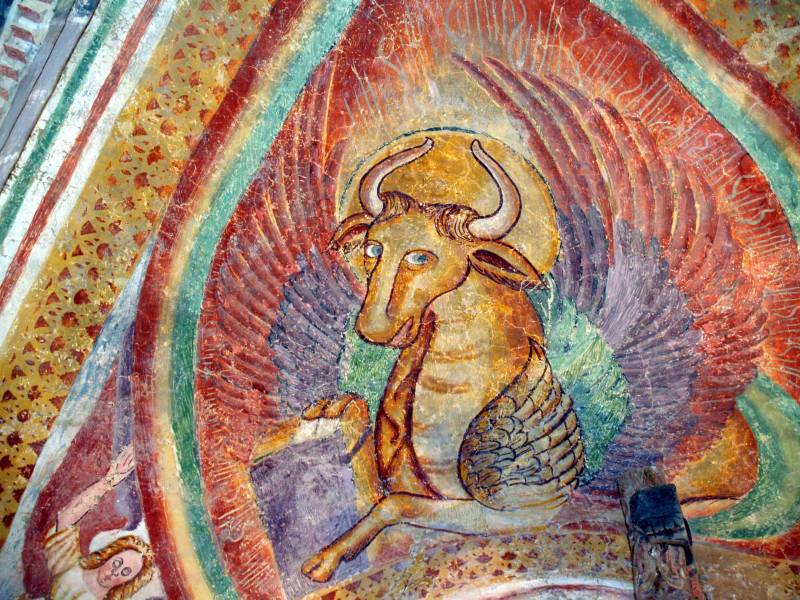
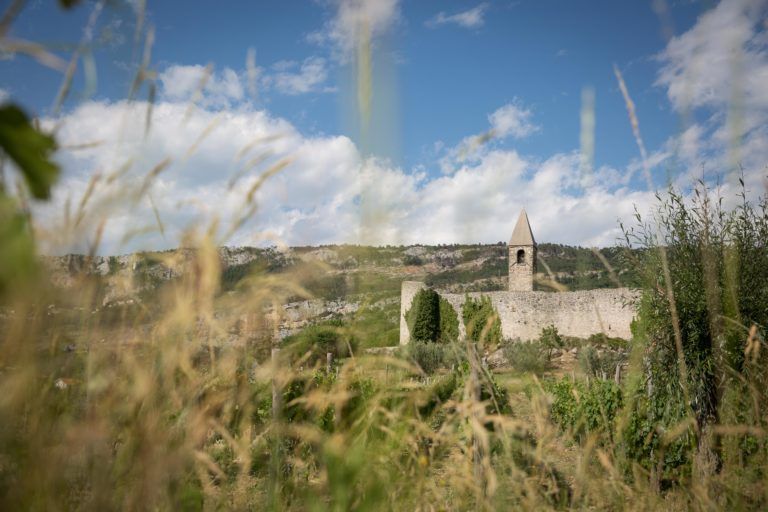
Hrastovlje: Home to the Holy Trinity Church, a fortified Romanesque structure hiding the world-renowned 15th-century Dance of Death (Danse Macabre) fresco inside.
Istrian cuisine relies heavily on seasonal, earth-to-table ingredients. When visiting a local osmica (temporary farm-turned-tavern) or a traditional tmina, look out for:
Fuži or Pljukanci: Hand-rolled traditional pastas typically tossed with wild asparagus in the spring or shaved truffles found in the local forests.
Istrian Prosciutto (Pršut): Dry-cured by the fierce burja (bora) wind, paired with indigenous olive oils.
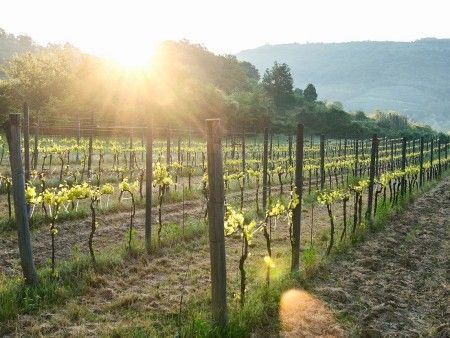
Refošk & Malvazija: The signature local wines. Refošk is a rich, dark red with a touch of pleasant sourness, while Malvazija is a fresh, aromatic white that perfectly mirrors the Mediterranean sun.
Who are the Šavrinke? The hills get their name from the historical women of the region called Šavrinke. In tough economic times, they traveled on foot or with donkeys down to Trieste to sell local produce like eggs, bread, and milk, embodying the resilience and welcoming spirit the local culture is known for today.
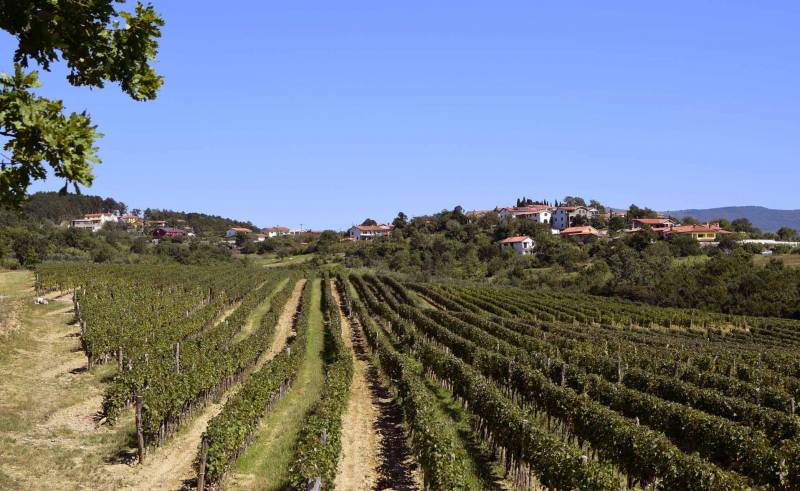
One of these villages is the village of Popetre, which lies along the side road between Gračišče and Truški, on the ridge of Pičence above the valley of the river Dragonja, which originates just below the village. Because of this special location, people from various surrounding villages traveled through Popetre, some on their way to the municipality, and others in the opposite direction, via Gračišče, Smokvice to Movraž. From here, they continued on foot towards Rakitovec to the railway station, after various errands and in different directions.
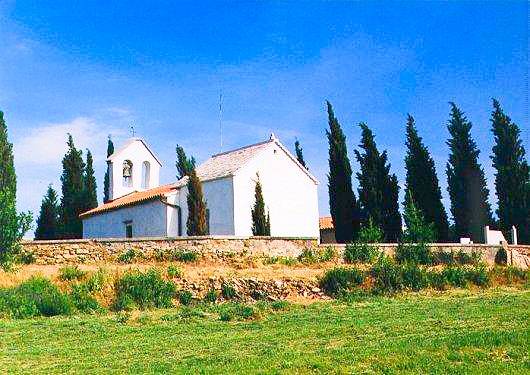
Above the village square, somewhat obscured by the houses, stands the church of St. Apostle. Andrew - the apostle celebrates on November 30. The church is consecrated, covered, with windows that close. It has a bell, a dedicated altar, is moderately decorated and has everything needed for mass, including a chalice. There is a cemetery next to the church.